SQL Server
SQL Server Performance Tuning: A Production Workflow
An evidence-first workflow for production performance problems: scope, DMVs, blocking, execution plans, Query Store, statistics, indexes and large tables, in the order that finds the cause fastest.
- Status
- Proposed
- Type
- Talk
- Formats
- Workshop · Webinar · Internal session
- Level
- Intermediate
- Duration
- 60 minutes (talk) · half day (workshop)
This is a proposed session topic. No public event is currently scheduled.
Who it is for
- DBAs, developers and data engineers who are called when "the database is slow"
- Teams that want a shared, repeatable troubleshooting process
What attendees will learn
- How to turn a vague symptom into a scoped, measurable problem
- Which DMVs answer which question during an incident
- How to find the head of a blocking chain before killing anything
- How to read an execution plan for the operators that matter
- How Query Store, statistics and indexes fit into the investigation
- How to change one thing safely and prove it helped
On this page
Session overview
Performance incidents reward a calm, repeatable process and punish guesswork. This session walks through the investigation order from SQL Server Performance Tuning: A Practical Checklist, live, on a deliberately troubled demo database. It moves from scope to evidence, to the specific query, to one controlled change, and then measures again.
- 1ScopeTime window, database, application
- 2Active requests and waitsWhat is running, and what it waits on
- 3BlockingHead blocker and chain
- 4Expensive queriesBy total impact, not just the slowest
- 5Plan, statistics, indexesWhy this query does this much work
- 6Change and measureOne variable, with a baseline
Outline
- Start with evidence: what to capture before touching anything.
- DMVs for incidents: requests, sessions, waits and query statistics.
- Blocking: reading the chain and capturing the head blocker.
- Execution plans: estimated vs actual rows, warnings, and why cost percentages mislead.
- Query Store: finding regressions and using plan forcing carefully.
- Statistics and indexes: as a system, especially on very large tables.
- Changing safely: one variable, a baseline, and a rollback path.
Adapting the session
- Workshop: attendees diagnose three prepared scenarios (blocking, a plan regression and a missing index) using only DMVs and Query Store.
Related articles

SQL Server
SQL Server Performance Tuning: A Practical Checklist
A production-oriented checklist for investigating SQL Server performance with evidence instead of guesses.
SQL Server
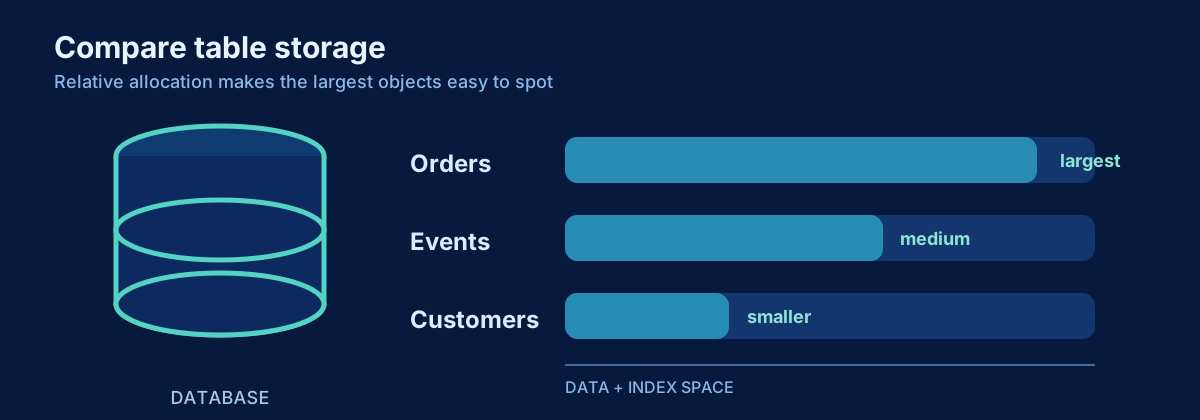
How to See SQL Server Table Sizes
Measure SQL Server row counts, reserved space, data, indexes and unused allocation without double-counting partitions or allocation units.
SQL Server
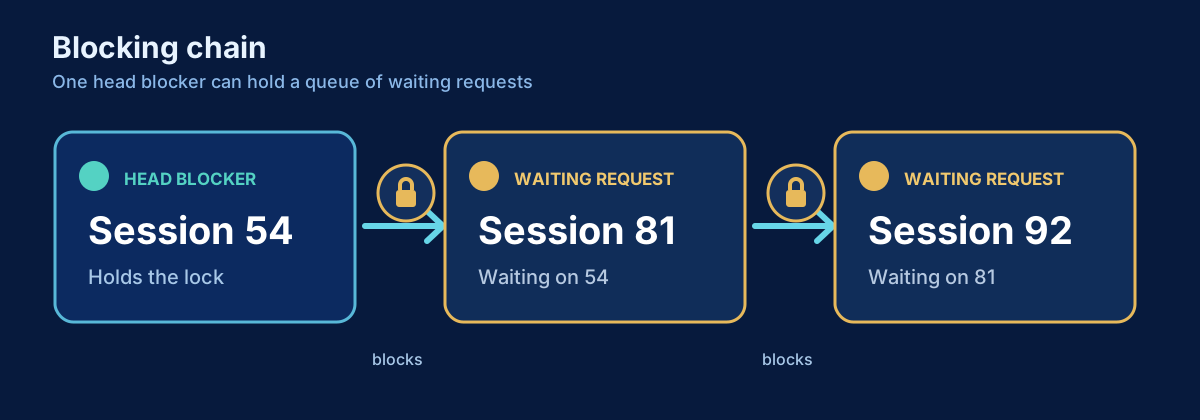
How to Find Blocking in SQL Server
Find blocked requests, trace blocking chains to the head blocker, and inspect the responsible session and transaction safely.
SQL Server
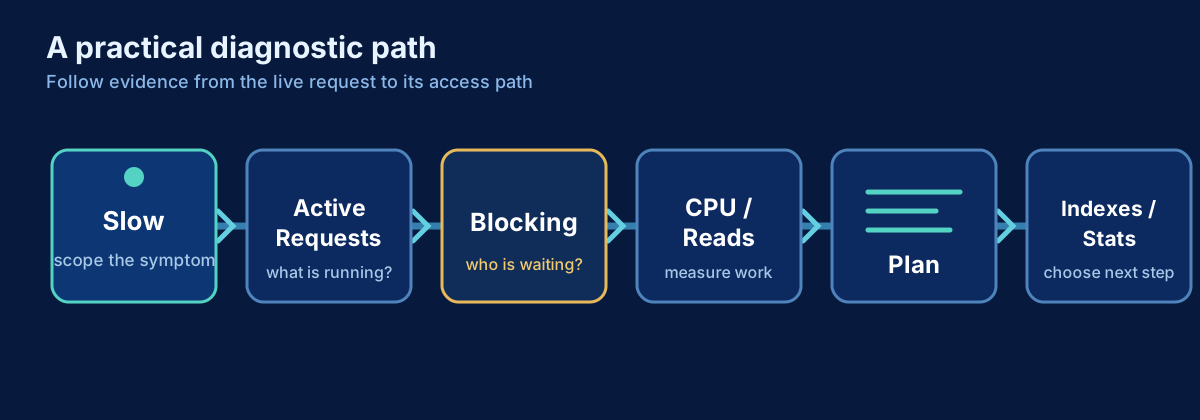
SQL Server Is Slow: A Practical Troubleshooting Workflow
A production-first workflow for turning a vague SQL Server slowdown into evidence, a likely cause, and a safe next step.
Planned articles on these topics
- PlannedHow to Troubleshoot Blocking and Long-Running Sessions in SQL Server
- PlannedReading SQL Server Execution Plans Without Guessing
- PlannedHow to Investigate Very Large SQL Server Tables
- PlannedSQL Server Troubleshooting Queries: Quick Reference
- PlannedBatching Large UPDATE and DELETE Operations in SQL Server